
“`html
England vs. Argentina Semi-Final Showdown: A Historic Grudge Match for the Ages!
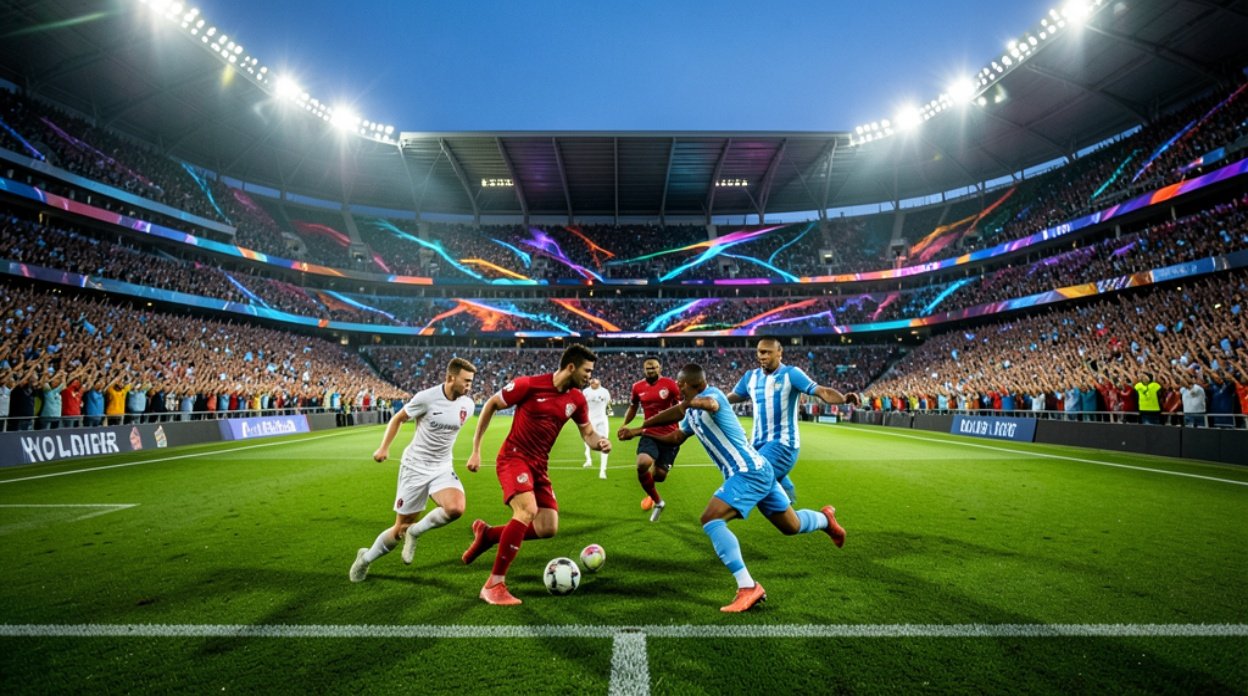
The air crackles with anticipation. The stage is set. Two footballing giants, steeped in rich history, intense rivalry, and an unwavering desire for glory, are on a collision course. England, represented by the proud Three Lions, and Argentina, the formidable La Albiceleste, prepare to face each other in a semi-final encounter that transcends mere sport. This isn’t just a game; it’s a narrative woven through decades of memorable moments, national pride, and an undeniable competitive spirit. As the global football community holds its breath, this semi-final promises to be an unforgettable spectacle, a true grudge match that will etch itself into the annals of the beautiful game.
This particular fixture carries an emotional weight unlike almost any other in international football. It’s a clash that has delivered drama, controversy, and moments of sheer brilliance time and again. For both sets of fans, the thought of facing their historical adversary in such a critical stage of a premier international competition ignites a potent mix of excitement, anxiety, and fervent hope. The stakes could not be higher; a place in the coveted final, within touching distance of ultimate triumph, awaits the victor. The losing side will face the agony of elimination, a bitter pill to swallow after a grueling campaign. Every pass, every tackle, every shot will be magnified under the immense pressure of this colossal semi-final showdown.
Beyond the historical context, this match also pits two of the most talented squads in the current international football landscape against each other. Both teams have demonstrated resilience, tactical acumen, and individual brilliance throughout their respective journeys to this point. The tactical battle between their respective managers will be as fascinating as the on-field duels, with every strategic decision potentially swinging the momentum. From the opening whistle to the final breath, expect a contest of wills, skill, and sheer determination, where legends are forged and dreams are realized or shattered.
Historical Context: A Deep-Seated Rivalry
The rivalry between England’s Three Lions and Argentina’s La Albiceleste is one of the most storied and passionate in international football. It’s a rivalry that extends beyond the boundaries of the pitch, fueled by historical events and etched into the collective memory of both nations. Each encounter adds another chapter to this compelling narrative, making every subsequent match a must-watch event, especially when the stakes are as high as a semi-final in a major global football tournament.
Origins and Key Encounters
The genesis of this intense rivalry can be traced back to several iconic matches that have shaped its character. These weren’t just football games; they were cultural touchstones, moments that captured the imagination and emotions of millions. The very first significant clash that ignited this fire took place in a major competition in 1966, where a contentious decision and subsequent events on the field laid the groundwork for future animosity. The English manager’s infamous description of the Argentinian players as “animals” after a particularly feisty quarter-final, following a controversial sending-off of an Argentinian star, cemented the perception of a fierce and often ill-tempered rivalry.
However, it was a pivotal quarter-final encounter in another premier global sporting event in 1986 that truly escalated the rivalry to legendary status. This match, played just four years after a significant geopolitical conflict between the two nations, transcended sport. It featured two of the most iconic goals in football history, both scored by a single Argentinian genius. The first, a controversial handball goal that he famously described as “the Hand of God,” and the second, a breathtaking individual effort where he dribbled past half the English team, showcasing unparalleled skill. This game became a symbol of both cunning and brilliance, forever linking the two nations in a sporting narrative that mirrored deeper national sentiments.
Further encounters in 1998 and 2002, both in the group stages of major tournaments, continued to add layers to this rivalry. The 1998 match, another last-16 clash, was a dramatic affair featuring a wonder goal from a young English prodigy and a controversial red card for an English midfielder, leading to a penalty shootout that Argentina ultimately won. The 2002 group stage match, a calmer but equally significant affair, saw England secure a crucial victory through a penalty, providing a measure of redemption for some. Each of these games, regardless of the outcome, has reinforced the deep emotional investment both sets of fans and players bring to this fixture.
The Emotional Significance for Both Nations
For both England and Argentina, this rivalry is imbued with profound emotional significance. For La Albiceleste, victories against the Three Lions are often seen as more than just sporting triumphs; they are moments of national vindication, celebrating their distinct footballing identity and spirit. The memories of 1986, in particular, are cherished, symbolizing a triumph of ingenuity and skill against a historical adversary. The passion of their supporters, the chants, and the sea of sky blue and white are a testament to how deeply this fixture resonates.
Conversely, for the Three Lions, this rivalry represents a unique challenge and an opportunity for redemption. The controversial goals and dramatic exits of past encounters have left an indelible mark, fostering a desire to prove their superiority. English fans view this match with a blend of apprehension and fierce determination, knowing that a victory against Argentina would not only propel them to the final but also provide immense satisfaction. The narratives surrounding discipline, fair play, and resilience often come to the fore when discussing these clashes from an English perspective. This semi-final, therefore, isn’t just about reaching a final; it’s about settling old scores, upholding national pride, and writing a new, glorious chapter in a rivalry that refuses to fade.
The Journey to the Semi-Finals
Both the Three Lions and La Albiceleste have navigated a challenging path through the group stages and knockout rounds of this premier international competition to reach this coveted semi-final stage. Their journeys have been marked by moments of brilliance, tactical adjustments, and sheer perseverance, showcasing the qualities that make them genuine contenders for the ultimate prize.
The Three Lions’ Path
England’s progression to the semi-finals has been a testament to their blend of emerging talent and experienced campaigners, coupled with a pragmatic yet effective tactical approach. They topped their group with an impressive record, demonstrating both attacking flair and defensive solidity. Their group stage saw them secure two convincing victories and a hard-fought draw against a resilient opponent, accumulating seven points and showcasing their ability to adapt to different styles of play.
In the Round of 16, they faced a tricky opponent known for their disciplined defense and counter-attacking threat. The match was a tense affair, with England eventually breaking the deadlock in the second half through a moment of individual brilliance from their prolific forward, securing a narrow 1-0 victory. This game highlighted their ability to grind out results when not at their free-flowing best, a crucial attribute for tournament success.
The quarter-final presented an even sterner test against a highly-rated European rival. This encounter was a classic, end-to-end battle. England initially fell behind but showed tremendous character to equalize before half-time. The second half saw them dominate possession and create several clear-cut chances, eventually scoring a decisive second goal through a well-worked set-piece routine. Their defense, marshaled by their experienced center-backs and protected by a robust midfield, held firm in the dying minutes to seal a 2-1 triumph. This victory not only demonstrated their attacking prowess but also their mental fortitude under intense pressure, solidifying their status as a formidable force.
La Albiceleste’s Ascent
Argentina’s journey to the semi-finals has been equally compelling, characterized by the exceptional leadership of their legendary number ten and the collective effort of a squad brimming with talent. They navigated their group with confidence, securing maximum points from three matches and establishing themselves as one of the tournament’s most potent attacking forces. Their group stage performances were a masterclass in controlled aggression, blending intricate passing play with devastating counter-attacks.
In the Round of 16, La Albiceleste faced a spirited Asian side that had surprised many. Despite being heavy favorites, Argentina had to work hard for their 2-0 victory, with both goals coming in the second half after a somewhat frustrating first period. This match showcased their patience and ability to break down well-organized defenses, with their iconic playmaker orchestrating much of their attacking play and providing the crucial assist for the opening goal.
The quarter-final was an absolute thriller against a dynamic South American rival, a match that went down to the wire. The game was a rollercoaster of emotions, with Argentina initially taking a two-goal lead only to see their opponents fight back valiantly to equalize late in the second half. The match proceeded to extra time, where neither side could find a decisive goal, leading to a nail-biting penalty shootout. It was in this high-pressure scenario that Argentina’s goalkeeper emerged as the hero, making two crucial saves, while their penalty takers displayed nerves of steel to win the shootout 4-3. This dramatic victory underscored their resilience, their ability to perform under extreme pressure, and the individual brilliance that can turn the tide in critical moments, proving their championship pedigree.
Tactical Battleground: Key Matchups and Strategies
The semi-final clash between England and Argentina will be a fascinating tactical duel, a chess match played out on the grandest stage. Both managers are renowned for their strategic acumen, and the decisions they make, both before and during the match, will heavily influence the outcome. Understanding the likely formations, key player matchups, and overarching philosophies will be crucial to appreciating the intricacies of this encounter.
England’s Strategic Blueprint
The Three Lions have often adopted a flexible tactical approach under their current management, typically oscillating between a 4-3-3 and a 4-2-3-1 formation. This allows them to maintain defensive solidity while maximizing their attacking potential through wide players and an advanced midfielder.
- Formation and Structure: Expect England to start with a 4-3-3, emphasizing control in midfield and width in attack. The two central midfielders will be crucial for both breaking up play and initiating attacks, while the defensive midfielder will shield the back four.
- Key Players and Roles:
- Their talismanic captain and prolific forward will lead the line, acting as both a target man and a creative hub.
- Dynamic midfielders, known for their box-to-box energy and passing range, will be pivotal in dictating tempo and supporting attacks.
- Rapid wingers provide pace and directness, tasked with stretching the Argentinian defense and delivering dangerous crosses.
- Stalwart central defenders offer aerial prowess and composure, essential for nullifying La Albiceleste’s attacking threats.
- Attacking Philosophy: England will likely aim to control possession, building patiently from the back. They will seek to exploit the flanks through their full-backs’ overlaps and wingers’ dribbling. Set pieces are also a significant weapon, given their height and delivery quality. Their ability to transition quickly from defense to attack, leveraging the speed of their forwards, will also be vital.
- Defensive Solidity: A hallmark of England’s recent success has been their organized defense. They will employ a high press when possible, aiming to win the ball back in advanced areas. When defending deeper, they will focus on maintaining compact lines, limiting space between the defense and midfield, and forcing Argentina wide. The defensive midfielder will play a crucial role in screening the back four and breaking up La Albiceleste’s intricate passing patterns.
Argentina’s Tactical Masterclass
La Albiceleste, under their astute coach, often deploy a 4-3-3 or a 4-4-2, designed to provide a solid base for their creative talents to flourish, particularly their legendary number ten. Their strategy often revolves around quick transitions, individual brilliance, and a tenacious midfield.
- Formation and Structure: Argentina might opt for a 4-4-2 diamond or a 4-3-3, allowing their maestro playmaker to operate in a free role behind or alongside the main striker. This formation maximizes their central control and provides pathways for quick breaks.
- Central Figures and Roles:
- The legendary number ten remains the undisputed orchestrator, dropping deep to link play, delivering killer passes, and posing a constant goal threat.
- The tireless striker provides relentless pressing and clinical finishing, complementing the creativity around him.
- Energetic central midfielders provide defensive cover, win tackles, and distribute the ball effectively, ensuring the team remains balanced.
- The defensive anchor, often a combative midfielder, breaks up opposition attacks and protects the backline, allowing the more creative players freedom.
- Counter-Attacking Prowess: Argentina excels at absorbing pressure and launching devastating counter-attacks. They possess players with exceptional dribbling skills and acceleration, capable of turning defense into attack in a matter of seconds. Expect them to lure England forward before striking swiftly.
- Midfield Battle: The midfield will be a crucial battleground. Argentina’s midfield aims to dominate the central areas, winning second balls, and feeding their attacking talents. They will look to deny England’s creative midfielders space and time on the ball, disrupting their rhythm and forcing them into mistakes. Their pressing intensity will be key to unsettling England’s build-up play.
Midfield Supremacy: The Engine Room Clash
The battle for midfield supremacy will undoubtedly be the most decisive aspect of this semi-final. England’s blend of power, technique, and work rate in the center of the park will come up against Argentina’s tenacity, creativity, and tactical discipline. Whichever team gains control of this area will likely dictate the tempo and flow of the match.
- England’s Approach: The Three Lions will aim for a high work rate, using their box-to-box midfielders to press aggressively, win tackles, and drive forward. Their ability to recycle possession quickly and switch play will be important in unbalancing Argentina’s compact lines.
- Argentina’s Approach: La Albiceleste’s midfield will focus on disrupting England’s rhythm, particularly targeting their playmakers. They will employ close marking and quick transitions, aiming to exploit any space left behind by England’s attacking full-backs. The legendary number ten’s ability to drift into pockets of space and unleash through balls will be a constant threat.
Defensive Fortitude vs. Attacking Flair
This match also presents a classic clash of styles: England’s structured defensive organization against Argentina’s individual brilliance and fluid attacking movements. Can England’s disciplined backline contain the legendary number ten and his compatriots? Can Argentina’s defense withstand the relentless pressure and diverse attacking threats posed by the Three Lions?
- England’s Defensive Task: Containing the legendary number ten will be paramount. This will likely involve a combination of zonal marking and man-marking, with a defensive midfielder tasked with tracking his movements. Limiting his space and time on the ball will be crucial.
- Argentina’s Defensive Task: They will need to be wary of England’s pace out wide and their aerial threat from set pieces. The full-backs will have a challenging assignment dealing with England’s wingers and overlapping full-backs, while the central defenders must be prepared for the physical battle with England’s main striker.
Star Power and Influential Figures
In a match of this magnitude, individual brilliance often makes the difference. Both England and Argentina boast a roster of world-class talents, players capable of producing moments of magic that can turn the tide of a game. While football is a team sport, the influence of these pivotal figures cannot be overstated in a semi-final showdown.
The Three Lions’ Linchpins
England’s success often hinges on the performance of several key players who provide the spine and attacking impetus for the team.
- The Talismanic Captain and Prolific Forward: He is not just the team’s primary goalscorer but also a vital link-up player and a leader on the pitch. His ability to drop deep, hold up the ball, and bring others into play, combined with his clinical finishing, makes him a constant threat. His penalty box instincts and aerial presence are equally formidable.
- The Engine Room General: This dynamic midfielder is the heart of England’s midfield. Known for his incredible work rate, robust tackling, and precise passing range, he dictates the tempo of the game. His ability to win possession, break up opposition attacks, and drive forward with the ball provides both defensive cover and attacking thrust.
- The Rapid Winger: With blistering pace and exceptional dribbling skills, this wide attacker poses a significant threat to any defense. His ability to cut inside and shoot, or go wide and deliver dangerous crosses, adds a crucial dimension to England’s attack. His one-on-one duels with the Argentinian full-backs will be key.
- The Stalwart Defender: Composed and physically imposing, this central defender is the bedrock of England’s defense. His leadership, aerial dominance, and ability to read the game are vital in organizing the backline and nullifying opposition attacks. His calmness under pressure will be essential against Argentina’s creative forwards.
La Albiceleste’s Maestros
Argentina’s hopes often rest on the shoulders of their generational talents, particularly their legendary playmaker, who continues to defy expectations.
- The Legendary Number Ten: The undisputed maestro, he is the creative heartbeat of La Albiceleste. His vision, dribbling, passing, and goal-scoring ability are unparalleled. He operates in pockets of space, dictating play, delivering defense-splitting passes, and conjuring moments of individual brilliance. Every attacking move flows through him, and his presence alone elevates the entire team.
- The Tireless Striker: Known for his relentless pressing, intelligent movement, and clinical finishing, this forward complements the legendary number ten perfectly. His ability to make runs in behind the defense, his aerial prowess, and his knack for scoring crucial goals make him a constant threat. He often shoulders a significant goal-scoring burden for the team.
- The Defensive Anchor: This combative midfielder provides the crucial shield for Argentina’s defense. His aggressive tackling, positional awareness, and ability to break up play are vital in disrupting opposition attacks and winning back possession. He allows the more creative players ahead of him the freedom to express themselves.
- The Energetic Full-Back: This player combines defensive diligence with explosive attacking runs down the flank. His ability to overlap, deliver crosses, and contribute to the attacking phases adds width and depth to Argentina’s play, while also performing his defensive duties diligently.
Psychological Warfare and Pressure Cooker
Beyond the tactical battles and individual brilliance, the psychological dimension of a semi-final of this magnitude cannot be overstated. The immense pressure, the weight of national expectations, and the history between these two nations will all play a significant role in how the players perform and how the match unfolds. This is a true test of mental fortitude as much as it is of technical skill.
The Immense Pressure on Both Teams
Reaching the semi-final of a premier international competition brings with it an unprecedented level of scrutiny and pressure. For England, there’s the long-standing desire to end decades of near misses and finally lift the coveted trophy. The fans’ hopes are sky-high, and every player knows the historical significance of this moment. The burden of expectation can be a heavy one, requiring exceptional mental strength to perform at one’s best.
For Argentina, the pressure is equally intense, if not more so, given their football-mad nation’s passionate devotion to the sport and their legendary number ten’s quest for ultimate glory. The weight of carrying a nation’s dreams, particularly in such a historic rivalry, is immense. Players will be acutely aware of the generations of fans who have dreamed of this moment, and the desire to deliver will be palpable. The collective memory of past triumphs and heartbreaks will loom large.
The Role of Mentality in High-Stakes Games
In matches where the margins are so fine, mentality often becomes the decisive factor. The ability to remain composed under pressure, to execute game plans despite the roar of the crowd and the intensity of the opposition, is what separates champions from contenders. Teams that can manage their emotions, maintain focus, and show resilience when facing setbacks are often the ones that prevail.
- Composure under Duress: Players will need to make critical decisions in split seconds. A moment of panic, a misplaced pass, or a rash tackle could prove costly. The ability of both teams’ leaders to inspire calm and focus will be vital.
- Resilience and Adaptability: The game will have ebbs and flows. There will be moments where one team is dominant, and others where they are under severe pressure. The capacity to absorb blows, adjust tactics, and fight back when behind will be a true test of character.
- Confidence and Self-Belief: A strong belief in their own abilities and their game plan will be crucial. Teams that enter such a match with unwavering confidence, built on their journey to the semi-final, are better equipped to handle the pressure.
Managerial Decisions Under Duress
The psychological aspect extends to the dugout. The managers’ decisions will be magnified, and their ability to read the game, make timely substitutions, and provide calm guidance will be paramount. A tactical tweak, a motivational message, or a change in formation could be the difference between victory and defeat. They must manage not just the tactics, but also the emotional state of their players.
- Substitutions: Bringing on the right player at the right time, or taking off a struggling one, requires courage and insight. These decisions can inject fresh energy, change the dynamics of the match, or shore up a defense.
- In-Game Adjustments: Both managers will have prepared extensive game plans, but the reality of the match might demand swift alterations. The ability to adapt to unforeseen circumstances, such as an early goal or an injury, will be crucial.
- Maintaining Morale: In a high-pressure environment, players can become overwhelmed. The manager’s role in keeping morale high, instilling belief, and providing clear instructions, even when things are not going well, is vital.
Key Statistical Insights (Hypothetical)
While the emotional and tactical elements are crucial, a look at some hypothetical statistics from their tournament journeys can provide further context into the strengths and weaknesses of both sides heading into this semi-final clash. These numbers, while illustrative, reflect the general performance trends one might expect from two top-tier international teams.
| Statistic | England (Three Lions) | Argentina (La Albiceleste) |
|---|---|---|
| Matches Played | 5 | 5 |
| Goals Scored | 12 | 11 |
| Goals Conceded | 3 | 4 |
| Clean Sheets | 3 | 2 |
| Average Possession (%) | 58% | 55% |
| Shots on Target (per game) | 6.5 | 6.0 |
| Pass Accuracy (%) | 89% | 87% |
| Successful Tackles (per game) | 15 | 17 |
| Fouls Committed (per game) | 9 | 12 |
| Big Chances Created | 18 | 16 |
| Dribbles Completed (per game) | 10 | 14 |
Analysis of Hypothetical Statistics:
- Attacking Prowess: Both teams demonstrate significant attacking threat, with England slightly ahead in goals scored and shots on target. This suggests England might be slightly more direct or effective in front of goal, while Argentina’s slightly lower shot count but high dribbles completed hint at a more intricate, individualistic approach to creating chances.
- Defensive Solidity: England appears marginally more defensively sound, conceding fewer goals and keeping more clean sheets. This aligns with their organized defensive structure and robust midfield. Argentina, while strong, might be more prone to moments of vulnerability, potentially due to their more aggressive pressing or focus on attack.
- Possession and Passing: Both teams favor a possession-based approach, with high pass accuracy. England’s slightly higher average possession suggests they might try to control the game through sustained periods of ball retention, whereas Argentina balances possession with quick transitions.
- Physicality and Discipline: Argentina’s higher number of successful tackles and fouls committed per game suggests a more combative and aggressive approach in midfield, aiming to disrupt play and win the ball back quickly. England, while physically capable, might rely more on tactical positioning and disciplined pressing.
- Creativity: England’s slightly higher “Big Chances Created” indicates their structured offensive patterns are effective in generating clear scoring opportunities. Argentina’s high dribbles completed, combined with a slightly lower “Big Chances Created,” could mean their creativity often stems from individual brilliance rather than purely team-based patterns, relying heavily on their legendary number ten.
These hypothetical statistics underscore that both teams are well-matched. England’s slight edge in defensive metrics and structured attacking play will be tested against Argentina’s individual flair, combative midfield, and capacity for moments of magic.
Potential Scenarios and Game Flow
A semi-final between England and Argentina is inherently unpredictable, but we can anticipate several potential scenarios and game flows based on their respective strengths, historical tendencies, and the high-stakes environment. The match could unfold in various ways, each presenting different challenges and opportunities for both sides.
Early Goal Impact
An early goal can dramatically alter the complexion of any match, but particularly one of this magnitude.
- If England Scores First: The Three Lions would likely seek to consolidate their lead, potentially dropping slightly deeper to invite Argentina forward and then exploit spaces with quick counter-attacks. This would allow them to play with more confidence and rely on their defensive organization. Argentina, forced to chase the game, would have to take more risks, potentially opening themselves up further.
- If Argentina Scores First: This would be a huge boost for La Albiceleste, allowing them to play their preferred counter-attacking style with even greater conviction. They would likely focus on frustrating England, breaking up play, and relying on their legendary number ten to orchestrate further attacks. England, in turn, would face the daunting task of breaking down a disciplined Argentinian defense, requiring patience and sustained pressure.
Extra Time and Penalties
Given the evenly matched nature of the teams and the immense pressure, a draw after 90 minutes is a distinct possibility, pushing the game into extra time and potentially a penalty shootout.
- Extra Time: This period tests not only physical endurance but also mental resilience. Managers will have to consider tired legs, potential injuries, and the psychological impact of prolonged pressure. Substitutions become even more critical here, as fresh legs can make a significant difference. Tactical risks might be taken, or teams might become even more conservative, fearing a late mistake.
- Penalty Shootout: Both nations have a complex history with penalty shootouts. For England, it has often been a source of heartbreak, though recent successes have shown improvement. For Argentina, it has sometimes been a pathway to glory, as evidenced by their quarter-final triumph. A shootout is the ultimate test of nerves, technique, and a goalkeeper’s ability to read the game. The psychological scars of past shootouts, or the confidence from recent wins, could play a role.
Substitutions and Tactical Adjustments
The role of the coaching staff will be paramount. Their ability to read the game and make timely, impactful substitutions and tactical adjustments will be crucial.
- England’s Bench: The Three Lions have a strong bench with various attacking and defensive options. If they need a goal, they can introduce fresh attacking talent to stretch the defense or add more creative midfielders. If they need to protect a lead, they can bring on more defensively minded players.
- Argentina’s Bench: La Albiceleste also boasts depth, particularly in midfield and attack. They can introduce players who offer different profiles, whether it’s more direct pace, additional creativity, or enhanced defensive stability. The tactical battle between the managers will continue right up until the final whistle.
- In-Game Formational Changes: Both teams might switch formations during the match. England might go to a back five to shore up defense, or push for a more aggressive 4-2-3-1. Argentina might opt for a three-man defense to match England’s wingers or flood the midfield to gain control. These dynamic changes will add another layer of intrigue to the contest.
Fan Anticipation and Global Impact
The semi-final clash between England and Argentina is more than just a football match; it’s a global event that captivates audiences far beyond the traditional fan bases of both nations. The sheer weight of history, the intense rivalry, and the undeniable quality on display combine to create an atmosphere of unparalleled anticipation and a significant global impact.
The Excitement Surrounding the Match
From the moment the semi-final pairing was confirmed, the excitement has been palpable. Social media platforms are abuzz with discussions, predictions, and memes. Sports news outlets globally are dedicating extensive coverage to every angle of the match, from historical retrospectives to detailed tactical breakdowns. Pubs, cafes, and living rooms around the world will be packed, as fans gather to witness this epic encounter. For supporters of England and Argentina, the build-up is a rollercoaster of emotions – nervous energy, fervent hope, and an unwavering belief in their team’s chances. The colors of both nations will be proudly displayed, flags will wave, and anthems will be sung with passionate intensity.
- Media Hype: Journalists and pundits will dissect every aspect, from player interviews to training ground reports, fueling the narrative of a historic confrontation.
- Fan Engagement: Online forums, fan clubs, and casual discussions among friends will focus almost exclusively on this fixture, debating lineups, strategies, and potential heroes.
- Cultural Significance: In both England and Argentina, football is deeply intertwined with national identity. A victory in this semi-final would not just be a sporting achievement but a source of immense national pride and celebration.
The Global Viewership
This semi-final is expected to draw one of the largest global television audiences of the entire tournament, rivaling that of the final itself. The allure of two footballing powerhouses with such a rich, often contentious, history is simply irresistible to millions of viewers worldwide. People who might not even follow football regularly will tune in, drawn by the drama and the spectacle.
- Worldwide Reach: Broadcasters across continents will transmit the match live, often with dedicated pre-match and post-match analysis shows featuring local experts.
- Economic Impact: The event generates significant economic activity, from merchandise sales to increased patronage of hospitality venues.
- Sporting Legacy: Regardless of the outcome, this match will be remembered for years to come. It will be analyzed, replayed, and discussed, adding another layer to the already legendary rivalry between the Three Lions and La Albiceleste. The players who perform heroically will etch their names into football folklore, while the moments of drama will become part of sporting history.
The global impact of such a match extends beyond mere viewership figures. It becomes a shared experience, a topic of conversation that transcends geographical and cultural boundaries. It reinforces the universal appeal of football and its capacity to unite and divide, to thrill and to break hearts, all in the space of 90 minutes, or perhaps even longer.
Conclusion: A Clash for Immortality
As the countdown to kick-off nears its end, the palpable tension and immense anticipation surrounding the England vs. Argentina semi-final showdown reach fever pitch. This is not merely a football match; it is a monumental clash of titans, a narrative steeped in decades of shared history, intense rivalry, and an unyielding desire for ultimate glory. The Three Lions and La Albiceleste stand at the precipice of destiny, with a coveted spot in the premier international competition’s final within their grasp.
The tactical battle promises to be a masterclass, pitting England’s structured organization, midfield dynamism, and diverse attacking threats against Argentina’s individual brilliance, counter-attacking prowess, and the unparalleled genius of their legendary number ten. Every strategic decision, every individual duel, and every moment of inspiration will carry the weight of national expectation. The psychological pressure will be immense, testing the mental fortitude and resilience of every player on the pitch, pushing them to their absolute limits.
Beyond the tactics and the statistics, this match is a testament to the enduring power of football to ignite passion, inspire dreams, and create indelible memories. It’s a chance for new heroes to emerge, for legends to cement their status, and for a new chapter to be written in one of the sport’s most compelling rivalries. The global football community will be united in watching, collectively holding its breath, as two giants vie for supremacy.
Regardless of the final score, this semi-final is guaranteed to be an unforgettable spectacle, a true grudge match that will be spoken about for generations. It is a clash for immortality, where national pride, historical echoes, and the dream of lifting the ultimate prize converge in a single, epic encounter. May the best team on the day prevail, leaving everything on the field in pursuit of glory.
FAQ: England vs. Argentina Semi-Final Showdown
Q1: Why is the rivalry between England and Argentina considered one of the most intense in football?
A1: The rivalry between England’s Three Lions and Argentina’s La Albiceleste is deeply rooted in both sporting and historical contexts. Key encounters in major global tournaments, particularly the contentious quarter-final in 1986 featuring the infamous “Hand of God” goal and a spectacular individual effort from an Argentinian legend, elevated the rivalry beyond just sport. These matches, sometimes played against a backdrop of geopolitical tensions, have created a narrative of fierce competition, national pride, and emotional significance for both nations, making every subsequent fixture a highly anticipated and charged event.
Q2: What are the key tactical strengths England brings to this semi-final?
A2: England, under their current management, typically showcases a blend of defensive solidity and dynamic attacking play. Their strengths include a well-organized defense, often protected by a robust midfield that excels at winning back possession. Offensively, they leverage rapid wingers, overlapping full-backs, and a prolific central forward who can act as both a target man and a creative link. They are adept at building play from the back, controlling possession, and are also a significant threat from set pieces, combining physical presence with precise delivery.
Q3: How might Argentina approach this semi-final tactically against England?
A3: Argentina often builds its strategy around the unparalleled creativity and vision of their legendary number ten, who orchestrates much of their attacking play. They are known for their tenacious midfield, which works tirelessly to win the ball and supply their forwards. La Albiceleste excels at quick transitions and devastating counter-attacks, utilizing players with exceptional dribbling skills and acceleration. Their tactical approach often involves absorbing pressure, maintaining a compact defensive shape, and then striking swiftly with precision, aiming to exploit any space left by the opposition.
Q4: Which individual matchups could be crucial in determining the outcome?
A4: Several individual matchups will be pivotal. The duel between England’s central defenders and Argentina’s legendary number ten, who will likely drift into various attacking positions, will be critical. Additionally, the battle in midfield between England’s dynamic central players and Argentina’s combative midfielders will dictate possession and tempo. On the flanks, the pace and dribbling of England’s wingers against Argentina’s full-backs, and vice versa, will be key to creating scoring opportunities and providing defensive cover. The performance of both teams’ primary strikers will also be under intense scrutiny, as clinical finishing will be paramount.
Q5: What role will the psychological pressure play in a match of this magnitude?
A5: The psychological pressure in a semi-final of a premier international competition, especially one with such a historical rivalry, will be immense. Both teams carry the hopes of their respective nations, and the weight of expectation can be a significant factor. Players will need exceptional mental fortitude to remain composed under duress, make critical decisions in high-pressure moments, and recover from setbacks. Managerial decisions, such as timely substitutions and in-game tactical adjustments, will also be influenced by the pressure, as will the ability of team leaders to inspire and maintain morale throughout the intense 90 minutes, and potentially beyond.
Q6: What are the potential scenarios if the match goes into extra time or penalties?
A6: If the match extends beyond 90 minutes, extra time will test the physical endurance and mental resilience of both squads. Managers will have to manage tired legs and tactical risks, potentially introducing fresh players to inject energy or shore up defenses. If it proceeds to a penalty shootout, it becomes the ultimate test of nerves and technique. Both England and Argentina have had varied experiences with shootouts in their history, making it a highly unpredictable and emotionally charged conclusion. Goalkeeper performance and the composure of individual penalty takers will be decisive in determining which team advances to the final.
“`