
“`html
Messi’s Tears & Argentina’s Tournament Claims: Analyzing the Controversies
Football, at its core, is a tapestry woven with raw emotion, breathtaking skill, and the relentless pursuit of glory. Few figures embody this intricate dance of passion and performance more profoundly than Lionel Messi. His career has been a saga of unparalleled individual brilliance, yet for years, the ultimate international team prize eluded him, casting a long shadow over an otherwise luminous legacy. The journey to finally lifting that coveted trophy was not merely a testament to his enduring talent but also an emotional odyssey that captivated billions.
However, as with many high-stakes sporting triumphs, particularly those involving a figure of Messi’s magnitude and a nation as passionately invested as Argentina, victory often arrives accompanied by a chorus of debate and scrutiny. The ecstasy of La Albiceleste’s triumph in the premier international competition was, for some, tinged with questions and allegations – claims of a “helping hand,” suggesting an unfair advantage through controversial officiating decisions. These claims, while largely unsubstantiated by concrete evidence, became a significant part of the post-tournament discourse, fueling heated discussions among fans, pundits, and rivals alike. This article delves into the profound emotional experience of Messi’s long-awaited success, meticulously examines the nature and origins of the “rigged” tournament claims, and provides a balanced analysis of both the sporting achievement and the persistent controversies that surrounded it.
We will navigate the complex landscape where sporting narrative intertwines with fan perception, media amplification, and the inherent challenges of officiating at the pinnacle of global sport. Understanding these dynamics is crucial to appreciating the full spectrum of reactions to one of football’s most memorable and debated tournaments.
The Emotional Rollercoaster: Messi’s Journey to Glory
Lionel Messi’s quest for the ultimate international accolade was a narrative arc spanning nearly two decades, marked by both dazzling highs and crushing lows. For a player who had conquered virtually every club competition and garnered an unprecedented collection of individual awards, the absence of this particular international trophy weighed heavily, not just on him, but on an entire nation that worshipped him as their footballing deity.
Years of Near Misses and Heartbreak
Messi’s initial forays into the major international football tournament were promising but ultimately ended in despair. His early career saw La Albiceleste reach deep into the knockout stages, only to fall short. The heartache became particularly pronounced in the mid-2010s, a period where Argentina reached multiple major finals, including one highly anticipated global showpiece, but failed to convert their opportunities into silverware. These defeats were agonizing, often decided by the narrowest of margins – an extra-time goal, a penalty shootout miss. Each loss was a public crucifixion for Messi, despite his often heroic performances, as the weight of national expectation pressed down with suffocating intensity. He bore the brunt of criticism, with some questioning his leadership or his ability to replicate his club form on the grandest international stage.
The collective memory of these near misses created a palpable sense of longing and a narrative of unfulfilled destiny. Fans and media alike scrutinized every step, every pass, every shot, hoping for a different outcome. The emotional toll on Messi himself was evident; post-match interviews often showed a man visibly distraught, sometimes on the verge of tears, reflecting the profound personal investment he had in bringing joy to his homeland. This prolonged period of heartbreak only intensified the desire for eventual triumph, setting the stage for an even more dramatic climax.
The Burden of Expectation
From the moment he emerged as a prodigy, Messi was hailed as the successor to previous national legends, burdened with the monumental task of delivering the ultimate prize. This expectation was not merely external; it was deeply internalized, becoming a defining characteristic of his international career. Every major tournament was framed as “Messi’s last chance” or “the moment he proves himself.” The media narrative often posited that without this specific trophy, his claim to being the greatest of all time would remain incomplete, regardless of his unparalleled club statistics or individual accolades. This immense pressure manifested in various ways, from the intense scrutiny of his every move on the pitch to the emotional outbursts he occasionally displayed.
The entire footballing world watched, dissecting his performances, comparing them to past legends, and projecting the hopes of a football-mad nation onto his shoulders. This burden was unique; while other players shared the pressure, for Messi, it was amplified by his extraordinary talent and the historical context of his nation’s footballing heritage. The narrative became less about whether Argentina could win, and more about whether Messi could finally lead them there, transforming him into a symbol of national aspiration and a vessel for collective dreams.
The Triumphant Release: Tears of Joy and Relief
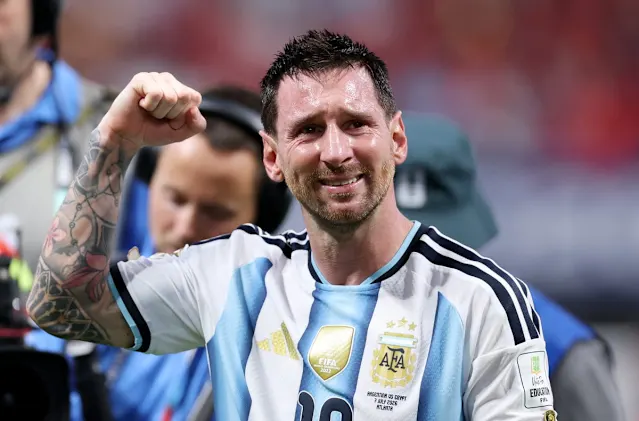
When the final whistle blew in the ultimate international final, confirming La Albiceleste as champions, the emotional dam that had held back years of frustration and longing burst open. The images of Messi, first collapsing to his knees, then embracing teammates, and finally being lifted aloft with the coveted trophy, were instantly iconic. His tears were not of sorrow, but of an overwhelming, cathartic joy and profound relief. They were the tears of a man who had completed his life’s work, who had finally delivered on a promise to himself and his nation that had seemed perpetually out of reach.
This moment transcended sport; it was a deeply human expression of overcoming adversity, fulfilling a destiny, and experiencing the pinnacle of achievement after years of relentless effort. For fans around the globe, regardless of their allegiances, it was impossible not to be moved by the sight. It marked the culmination of a personal saga, a testament to perseverance, and a powerful reminder of the emotional depth that football can evoke. The weight lifted from his shoulders was palpable, replaced by an unbridled happiness that cemented his legacy not just as a player, but as a legend who faced down immense pressure and emerged victorious.
Unpacking the “Helping Hand” Claims: A Deep Dive into Tournament Controversies
The euphoria of Argentina’s victory was, for a significant segment of the global football community, tempered by persistent allegations of a “helping hand” from officials. These claims, ranging from subtle suggestions of bias to outright accusations of a rigged competition, became a recurring theme in post-tournament analysis and fan discussions. It’s crucial to examine these allegations with a critical eye, understanding their origins, the specific incidents cited, and the broader context of officiating in high-stakes football.
The Genesis of Allegations: What Were the Claims?
The claims of Argentina receiving favorable treatment primarily revolved around several recurring themes:
- Dubious Penalty Awards: Critics frequently pointed to penalties awarded to La Albiceleste throughout the tournament, especially in key matches, arguing that the contact was minimal, the fouls were exaggerated, or that similar incidents against Argentina went unpunished.
- Lenient Disciplinary Actions: There were suggestions that Argentine players received fewer yellow or red cards for fouls that might have been penalized more harshly for other teams. Conversely, opponents were perceived to be treated more strictly.
- Extended Added Time: Some observers questioned the extensive amounts of added time in certain matches involving Argentina, particularly when they were trailing or needed a goal, implying it provided additional opportunities to score.
- Subjective Interpretations of Fouls: Beyond penalties, general foul calls, offside decisions (even when reviewed by VAR), and advantage plays were scrutinized, with critics often perceiving a pattern of decisions that subtly favored the South American giants.
These allegations were not confined to a single source. They emerged from a confluence of factors: rival fan bases expressing frustration, pundits and commentators offering critical analysis, and perhaps most virally, social media platforms serving as echo chambers where unverified claims could spread rapidly. The core argument often coalesced around the idea that the tournament organizers had a vested interest in a Messi-led Argentina triumph, given his global appeal and the narrative power of his potential victory. It’s important to reiterate that these are *allegations* and *perceptions*, largely lacking concrete, verifiable proof of systemic corruption or intentional manipulation.
Key Matches and Incidents Under Scrutiny
While discussing specific match incidents, it’s vital to maintain journalistic neutrality, describing the *nature* of the controversy rather than validating the “rigged” claims. Several moments became flashpoints for these discussions:
- Group Stage Penalty: In an early group stage match, Argentina was awarded a penalty for what many deemed to be soft contact in the box. While VAR upheld the decision, the debate centered on the threshold for a foul, with critics arguing that similar contact often goes unpunished. This early decision set a precedent for some observers, influencing their perception of subsequent calls.
- Quarter-Final Fouls and Cards: A particularly fiery quarter-final encounter saw numerous fouls and yellow cards distributed. Opposing fans and some analysts suggested that Argentine players were afforded more leeway in physical challenges, while their opponents were penalized more readily for similar infractions. The sheer volume of cards and the intensity of the match amplified these perceptions, creating a narrative of uneven application of rules.
- Semi-Final Penalty Award: Another significant penalty decision in a semi-final clash became a major talking point. While the foul appeared to be legitimate upon review, the context of previous controversial calls led many to view it with suspicion. The timing and impact of the penalty on the game’s momentum only intensified the debate, with many suggesting it was a “game-changing” moment that unfairly benefited La Albiceleste.
- Final Match Decisions: Even in the grand final, specific moments were dissected. A penalty awarded to Argentina in the first half for a foul inside the box, though seemingly clear upon replays, was nonetheless questioned by some who felt the contact was minimal or that the attacker initiated it. Later, a perceived uncalled foul in the build-up to an opposing goal was cited by some Argentine fans as unfair, demonstrating that perceived biases can cut both ways, depending on allegiance.
Each of these incidents, viewed in isolation, might be attributable to referee error, subjective interpretation, or the inherent difficulty of officiating fast-paced football. However, when aggregated, they contributed to a powerful, albeit speculative, narrative of a pattern of favorable treatment that resonated deeply with those already inclined to suspect foul play.
Refereeing Standards and VAR’s Role
The discourse surrounding Argentina’s tournament run also opened up broader discussions about the state of refereeing and the effectiveness of Video Assistant Referee (VAR) technology. Officiating at the highest level of international football is an incredibly demanding task, requiring instantaneous decisions under immense pressure, often in front of billions of viewers. Referees are human, prone to error, and must interpret subjective rules in real-time.
- The Challenge of Subjectivity: Many football rules, particularly those concerning fouls, handball, and tactical advantages, involve a degree of subjective interpretation. What one referee deems a penalty, another might consider a play-on. This inherent subjectivity means that even “correct” decisions can appear controversial to those with differing perspectives or allegiances.
- VAR’s Double-Edged Sword: The introduction of VAR was intended to eliminate clear and obvious errors, thereby enhancing fairness. However, VAR itself has become a source of controversy. While it can correct egregious mistakes, its application often leads to lengthy delays, breaks in game flow, and new debates about what constitutes a “clear and obvious error.” Critics argue that VAR sometimes over-officiates, scrutinizing moments to an extent that goes against the spirit of the game, or that it is applied inconsistently.
- Perception of Bias: Even when VAR reviews decisions, if the outcome consistently favors one team in tight calls, it can fuel the perception of bias, regardless of the objective correctness of the decision. The technology, while designed for objectivity, cannot eliminate the human element of interpretation at the point of decision-making, nor can it prevent confirmation bias among skeptical observers. The debate often shifts from “was it a foul?” to “was it a *clear enough* foul for VAR to intervene and overturn?”
Ultimately, the tournament highlighted the persistent tension between the desire for perfect officiating and the reality of human judgment in a complex, fast-paced sport. The controversies surrounding Argentina’s path underscored the need for continuous training, transparent communication from officiating bodies, and perhaps a re-evaluation of how VAR is implemented to minimize ambiguity and maintain public trust.
The Psychology of Conspiracy Theories in Sports
The emergence and persistence of “rigged” claims surrounding major sporting events are not unique to Argentina’s triumph. They are a recurring phenomenon, deeply rooted in human psychology, fan culture, and the dynamics of modern media. Understanding why such theories gain traction helps contextualize the debate around Messi’s emotional victory.
The Human Element: Bias and Perception
At the heart of sports conspiracy theories lies the powerful influence of human bias and perception. Fan loyalty is an incredibly potent force, often leading individuals to interpret events through a highly subjective lens. When a team they support loses, or a rival team wins, there’s a natural inclination to seek explanations beyond simple sporting merit. This can manifest as:
- Confirmation Bias: People tend to seek out, interpret, and remember information in a way that confirms their pre-existing beliefs or hypotheses. If a fan already dislikes a team or believes certain officials are biased, every subsequent controversial decision will be viewed as further proof of that bias, regardless of objective evidence.
- Outgroup Derogation: The “us vs. them” mentality is deeply ingrained in sports. Success for one’s own team is celebrated as deserved; success for a rival is often viewed with suspicion, especially if it involves controversial moments. This tribalism can lead to a devaluation of the rival’s achievements and an overemphasis on perceived unfairness.
- Emotional Reasoning: Intense emotional investment in a game or a team can override rational analysis. Frustration, anger, and disappointment can lead fans to jump to conclusions, especially when outcomes are unfavorable or perceived as unjust.
- Attribution Error: When one’s own team performs poorly, external factors (like referee bias) might be blamed. When a rival team performs well, internal factors (like cheating or “rigging”) might be attributed. Conversely, one’s own team’s success is attributed to skill and effort, while a rival’s failure is attributed to their shortcomings.
These cognitive biases create fertile ground for skepticism and suspicion, making it difficult for objective analysis to penetrate deeply held beliefs, particularly in the immediate aftermath of emotionally charged events.
Media Amplification and Social Media Echo Chambers
In the digital age, the spread and solidification of conspiracy theories are significantly amplified by media dynamics and social media platforms.
- Sensationalism in Traditional Media: News outlets, driven by the need for clicks and viewership, sometimes lean into sensational headlines and controversial narratives. While reputable journalists strive for balance, the pressure to attract attention can lead to an overemphasis on contentious incidents, even if they are ultimately minor. Pundits and commentators, often playing to specific audiences, might also express strong opinions that further fuel debate.
- Social Media’s Role as an Echo Chamber: Platforms like X (formerly Twitter), Facebook, and Instagram allow unverified claims and speculative theories to spread globally in minutes. Users tend to follow and interact with those who share similar viewpoints, creating “echo chambers” where dissenting opinions are rare, and confirmation bias thrives. Algorithms often prioritize engaging (and often controversial) content, further accelerating the spread of such claims. Hashtags like “#RiggedTournament” can trend worldwide, creating a false sense of widespread consensus around a particular belief.
- Lack of Fact-Checking: The speed and volume of information on social media often outpace effective fact-checking. A single image or short video clip, taken out of context or selectively edited, can go viral and be presented as irrefutable proof of a conspiracy, even if official explanations or counter-evidence exist.
This dynamic creates a feedback loop where initial suspicions are amplified, shared, and reinforced by a global network, making it incredibly challenging to disentangle factual reporting from speculative claims.
The Aftermath: Doubts and Discrediting Victories
Perhaps the most damaging consequence of persistent “rigged” claims is their potential to cast a long shadow over legitimate sporting achievements. Even when allegations lack concrete evidence, the mere act of questioning can:
- Undermine Legitimacy: For the winning team and its fans, the joy of victory can be diminished by the constant need to defend its legitimacy. The achievement is framed not as a testament to skill and effort, but as a product of external manipulation.
- Impact Player Morale: Players, coaches, and staff who dedicated years of their lives to achieving success can feel their efforts are disrespected and their integrity questioned. This can be personally hurtful and professionally damaging.
- Erode Trust in Institutions: Persistent claims of rigging can erode public trust in sporting governing bodies, officiating systems, and the overall integrity of the sport itself. This can lead to disengagement or cynicism among fans.
- Perpetuate Division: The debates often deepen existing rivalries and create new divisions among fan bases, leading to ongoing animosity and arguments that detract from the unifying spirit of sport.
While the claims themselves may be baseless, their psychological and social impact is very real, shaping the narrative and legacy of a major sporting event for years to come. It underscores the delicate balance between robust debate and destructive speculation in the world of professional sports.
Tactical Analysis: Argentina’s Path to Victory Beyond Controversy
While the “rigged” claims dominated certain discussions, it is imperative to dissect Argentina’s actual footballing performance, which undeniably played a pivotal role in their ultimate triumph. Their success was built on a foundation of astute tactical planning, individual brilliance, and an unshakeable team spirit that transcended any external debates. Focusing solely on controversial decisions would be to overlook a masterclass in modern football strategy and execution.
Managerial Masterclass and Adaptability
The manager’s role in shaping La Albiceleste’s campaign cannot be overstated. From the initial group stage setback to the final whistle, the coaching staff demonstrated remarkable tactical flexibility and a deep understanding of their squad’s strengths and weaknesses. Initially, the team often lined up in a relatively fluid 4-3-3 or 4-4-2, emphasizing midfield control and wide attacking play. However, as the tournament progressed and specific challenges arose, the manager was not afraid to adapt.
Key tactical shifts included:
- Formation Flexibility: Transitioning between a back four and a back five (3-5-2 or 5-3-2) in crucial knockout matches, particularly to counter strong attacking opponents or to bolster defensive solidity in midfield. This adaptability allowed them to absorb pressure and launch effective counter-attacks.
- Personnel Changes: Making brave but effective substitutions, introducing players who provided fresh legs, tactical discipline, or a different attacking impetus exactly when needed. The manager trusted his bench, and those players often delivered game-changing performances.
- In-Game Adjustments: The ability to read the flow of a game and make immediate adjustments, whether it was changing the press, shifting player positions, or altering the tempo, demonstrated a high level of tactical acumen. This was crucial in tight matches where momentum could swing rapidly.
This managerial insight ensured that Argentina was not a one-dimensional team, but rather a dynamic unit capable of solving diverse tactical puzzles presented by formidable opponents.
Defensive Solidity and Midfield Control
Underpinning Argentina’s attacking flair was a surprisingly robust defensive structure and an industrious midfield that dictated the tempo of many matches. The team’s defensive efforts were truly collective:
- Organized Pressing: Argentina implemented an intelligent pressing scheme, often triggering their press when opponents entered their half or made a predictable pass. This disrupted opposition build-up and forced turnovers in dangerous areas.
- Compact Defensive Block: When out of possession, they often formed a compact defensive block, denying space between the lines and forcing opponents wide. The full-backs were disciplined, and the center-backs were dominant in aerial duels and crucial clearances.
- Midfield Engine Room: The midfield trio was instrumental. They provided a relentless shield for the defense, breaking up play, winning second balls, and covering vast amounts of ground. Their ability to regain possession and quickly transition into attack was a cornerstone of the team’s strategy. Key players excelled in both destructive and creative roles, linking defense to offense seamlessly.
- Goalkeeper’s Heroics: The team’s goalkeeper delivered several pivotal performances, particularly in penalty shootouts and making crucial saves in open play. This reliability between the sticks instilled confidence throughout the squad.
This defensive solidity provided the platform for the team’s more creative players to flourish, knowing they had a strong foundation behind them.
Attacking Prowess: Messi’s Brilliance and Supporting Cast
While Messi was undeniably the focal point of Argentina’s attack, his brilliance was magnified by a talented and dedicated supporting cast. His individual contributions were extraordinary:
- Messi’s Playmaking: Beyond his goal-scoring, Messi was the primary orchestrator, dropping deep to link play, delivering incisive passes, and creating chances with his unparalleled vision and dribbling. He consistently drew multiple defenders, opening space for teammates.
- Goal-Scoring Threat: He consistently found the back of the net, often from crucial moments and set pieces, demonstrating his enduring clinical finishing. His penalty conversions were also vital, showcasing nerves of steel.
- Emergence of Key Forwards: Other attacking players stepped up at critical junctures. A young, energetic forward provided relentless pressing and crucial goals, often running into channels and stretching defenses. Another winger offered directness and goal threat from wide areas.
- Dynamic Wing Play: The team utilized both flanks effectively, with full-backs pushing high to provide width and deliver crosses, while wingers cut inside or stayed wide to create one-on-one situations.
The synergy between Messi’s genius and the tireless efforts of his teammates created a multi-faceted attack that could break down even the most organized defenses, ensuring that their path to victory was paved with genuine footballing quality, not just external factors.
Mental Fortitude and Team Cohesion
Perhaps the most understated yet crucial aspect of Argentina’s triumph was their incredible mental fortitude and unwavering team cohesion. This was a squad that truly fought for each other, driven by a collective desire to succeed for their nation and for their captain.
- Resilience in Adversity: The team demonstrated remarkable resilience, especially after their opening match defeat. They bounced back stronger, showing character and determination in subsequent games. In knockout ties, they often faced moments of intense pressure, even giving up leads, but consistently found a way to respond and prevail.
- Penalty Shootout Prowess: Their success in multiple penalty shootouts was a testament to their composure under extreme pressure, the goalkeeper’s mental strength, and the clinical finishing of the penalty takers. These moments are as much psychological as they are technical.
- Unifying Spirit: The squad displayed an infectious unity and camaraderie. They celebrated together, consoled each other, and fought together. This strong bond translated into a cohesive unit on the pitch, where every player understood their role and was willing to put in the effort for the collective good. The emotional connection to their manager and to Messi was palpable, creating an ‘us against the world’ mentality.
This deep-seated mental toughness and team spirit were undeniable factors in their ability to navigate the intense pressures of a major international football tournament and emerge as champions, providing a powerful counter-narrative to any claims of external assistance.
| Match Stage | Opponent | Key Incident | Nature of Debate | Official Outcome |
|---|---|---|---|---|
| Group Stage | Saudi Rivals | Early penalty awarded to Argentina. | Questions about the extent of contact and whether it warranted a penalty, especially early in the match. | Penalty scored. |
| Quarter-Final | European Rivals A | High number of yellow cards and perceived lenient treatment of Argentine players. | Allegations of referee bias in disciplinary actions, with claims that similar fouls went unpunished for one side. | Argentina won after extra time and penalty shootout. |
| Semi-Final | European Rivals B | Controversial penalty decision for Argentina. | Debate over the severity of the foul and the attacker’s role in initiating contact, fueling “soft penalty” claims. | Penalty scored. |
| Final Match | European Giants | First-half penalty awarded to Argentina. | Some questioned the decision, despite clear contact, citing a pattern of favorable calls throughout the tournament. | Penalty scored. |
| Final Match | European Giants | Late-game extra time decision for Argentina. | Debate over extended added time, seen by critics as providing extra opportunities for Argentina. | Argentina scored during extra time. |
The Legacy of a Champion and the Unending Debate
Lionel Messi’s triumph in the premier international competition was a moment of profound significance, altering the landscape of football history and cementing his place among the pantheon of legends. Yet, despite the undeniable joy and sporting achievement, the lingering claims of external assistance ensure that the debate surrounding this victory will continue to reverberate for years to come.
Messi’s Place in History
With this victory, Messi finally completed his career trophy cabinet, achieving the one major honor that had eluded him. This accomplishment unequivocally solidified his status as one of the greatest footballers of all time, if not *the* greatest, for many observers. It brought closure to a narrative that had shadowed his international career, silencing critics who argued his legacy was incomplete without this particular piece of silverware. The image of him lifting the trophy, a look of pure elation and relief on his face, became the defining photograph of his storied career. It transcended football, becoming a powerful symbol of perseverance, the pursuit of a lifelong dream, and the ultimate triumph against immense pressure. For countless fans, it was the validation of his unparalleled talent and dedication, placing him in a unique category of players who have dominated both club and international football.
The Persistence of Doubt
Despite the tactical brilliance displayed by La Albiceleste and Messi’s undeniable individual contributions, the “rigged” claims are unlikely to fully dissipate. The nature of sports discourse, amplified by social media and the deep emotional investment of fans, means that controversies, once sparked, often take on a life of their own. For those who believe the competition was unfairly influenced, no amount of tactical analysis or objective explanation will fully sway their conviction. These doubts will likely be passed down through fan generations, shaping rivalries and becoming part of the tournament’s complex historical tapestry. It serves as a stark reminder that in the highly subjective and emotionally charged world of professional football, perception can sometimes outweigh documented reality, and skepticism can persist long after the final whistle has blown. The narratives of “what if” and “what might have been” will continue to fuel discussions in pubs, online forums, and media debates, ensuring the controversy remains a footnote, however minor, to Argentina’s grand achievement.
Moving Forward: Upholding Integrity in Football
The controversies surrounding officiating decisions during the tournament underscore the ongoing need for football’s governing bodies to prioritize and continually strive for integrity and transparency. While perfect officiating is an elusive ideal, efforts to minimize perceptions of bias and enhance trust are paramount:
- Transparent Communication: Greater transparency from officiating committees regarding decision-making processes, particularly for VAR interventions, could help demystify complex calls and provide clearer explanations to the public.
- Continuous Training and Education: Investing in advanced training for referees, including psychological preparation for high-pressure environments and consistent application of rules, is crucial.
- Refinement of VAR Protocols: Ongoing evaluation and refinement of VAR implementation protocols are necessary to ensure consistency, minimize delays, and strike a better balance between correcting errors and maintaining the flow of the game.
- Accountability: While referees are human, a system of accountability for repeated errors or questionable performances can help maintain confidence in the officiating system.
- Addressing Online Misinformation: Governing bodies and media organizations have a role in actively combating the spread of misinformation and conspiracy theories by providing factual context and robust analysis.
Ultimately, upholding the integrity of football means not only ensuring fair play on the pitch but also fostering an environment where fans trust the process and celebrate victories based on merit. The debates sparked by La Albiceleste’s triumph serve as a powerful reminder of this continuous and vital challenge.
FAQ
What were the main “helping hand” claims against Argentina?
The main claims alleged that Argentina received favorable treatment from referees, including “soft” penalty awards, lenient disciplinary actions against their players compared to opponents, and extended amounts of added time in crucial matches. These claims were widely discussed on social media and by some pundits, though largely unsubstantiated by concrete evidence.
How did VAR influence decisions during the tournament?
VAR (Video Assistant Referee) was used throughout the tournament to review clear and obvious errors in key match-changing incidents (goals, penalties, red cards, mistaken identity). While it corrected some errors, its application also led to lengthy delays and debates about the subjectivity of certain calls, fueling perceptions of bias for or against specific teams, including Argentina.
Did Messi’s performance justify Argentina’s victory?
Lionel Messi delivered an extraordinary performance throughout the tournament, scoring crucial goals, providing assists, and acting as the primary playmaker. His leadership, individual brilliance, and ability to perform under immense pressure were undeniable and played a significant role in Argentina’s success, cementing his legacy as one of the game’s greatest players.
Is there any concrete evidence to support claims of a rigged tournament?
No, there has been no concrete, verifiable evidence presented by reputable sources to support the claims of a “rigged” tournament or systemic corruption in favor of Argentina. The allegations primarily stem from subjective interpretations of refereeing decisions, fan biases, and social media speculation.
How do fans and media react to controversial refereeing decisions?
Fans often react with intense emotion, leading to strong opinions and accusations of bias, particularly when decisions go against their favored team. Media coverage can vary, with some outlets providing balanced analysis while others may lean into sensationalism or highlight controversial aspects to drive engagement, especially on social media.
What is the official stance on these allegations?
The official bodies overseeing international football tournaments consistently maintain that matches are officiated fairly and that decisions are made based on the rules of the game and the judgment of the referees, supported by VAR technology. They typically dismiss claims of widespread rigging or intentional bias due to a lack of evidence.
How significant was this victory for Lionel Messi’s legacy?
This victory was profoundly significant for Lionel Messi’s legacy. It completed his unprecedented trophy cabinet, providing him with the ultimate international team prize that had eluded him for years. For many, it solidified his status as the greatest footballer of all time, overcoming immense pressure and fulfilling a lifelong dream for himself and his nation.
In conclusion, Lionel Messi’s tears of joy upon securing the premier international football competition were a powerful, emotional crescendo to a legendary career. His journey was a testament to perseverance, talent, and leadership, culminating in a triumph that brought immense pride to Argentina and captivated the global audience. Yet, the victory also reignited perennial debates about officiating, fairness, and the integrity of high-stakes football.
While claims of a “helping hand” circulated, fueled by subjective interpretations and amplified by the digital age, it is crucial to recognize the profound tactical intelligence, defensive solidity, attacking prowess, and unyielding mental fortitude that characterized La Albiceleste’s campaign. Their success was a complex interplay of individual genius, collective effort, and astute management, proving that on the grandest stage, footballing excellence often prevails.
The enduring discussion surrounding this tournament serves as a vivid reminder of the sport’s unique ability to inspire both unparalleled joy and fervent debate. It highlights the challenges of officiating under global scrutiny and the powerful psychological dynamics that shape fan perception. Ultimately, while the controversies may persist, the image of Messi, finally triumphant and overwhelmed with emotion, will forever stand as a defining moment in football history, symbolizing the pinnacle of achievement and the enduring human spirit in sport.
“`